Mince Pies, Mulled Wine and Mild Chaos: The High Street Switch-On Still Wins
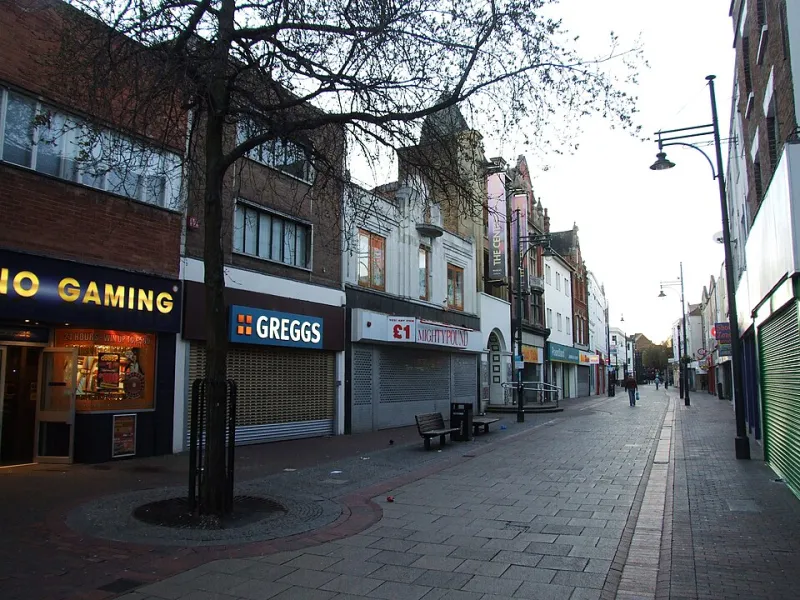
Photo: Chris Whippet , CC BY-SA 2.0, via Wikimedia Commons
There is a moment, somewhere between the primary school choir having a go at a Mariah Carey number and the local radio host shouting 'are we ready?' into a microphone that is definitely not ready, when the high street Christmas lights switch-on justifies itself. It is not polished. It is not ticketed. The mulled wine is sometimes lukewarm and the mince pies have clearly been warmed in a supermarket oven. And yet, for one damp evening in late November, the town centre does something a Christmas market cannot: it behaves like a town.
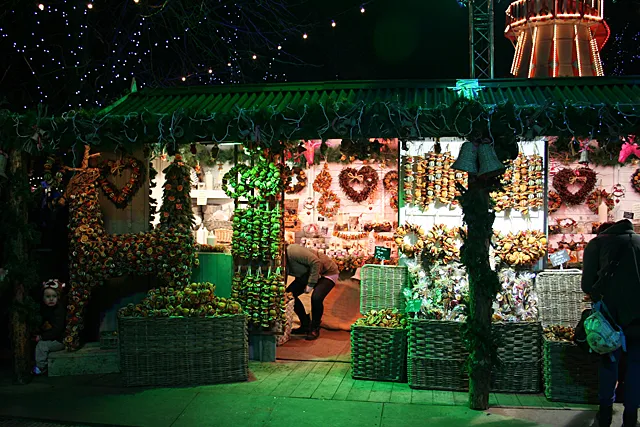
In 2026, with another wave of ticketed winter markets charging entry for the privilege of standing near a fake wooden chalet, the humble switch-on feels almost radical. You do not need to book. You do not need to print anything. You just turn up, find a spot near the war memorial, and accept that you will be standing behind a man in a fleece who knows every word to 'Fairytale of New York' and is not afraid to prove it.
Why the food tells the truth
A Christmas market can curate its food. A switch-on cannot. That is its greatest strength. The stalls are a mix of the Rotary Club, the local bakery, a chip van that has been doing the same three things since the 1990s, and someone selling fudge from a folding table. There is usually a tombola. There is always a queue for the mulled wine.
This is where you learn what a town is really like. If the mince pies are being sold by a woman who made them that morning and is slightly worried they are not up to scratch, buy one. If the mulled wine is served from a tea urn and the person serving it says 'careful, it's hot' with genuine concern, have one. If the stall has a laminated sign saying 'artisan festive bites' and a card reader, proceed with caution.
The switch-on is not a food festival. It is a food honesty test.
The thirty-second mince pie test
I take mince pies seriously in the same way I take pub quizzes seriously: badly, but with commitment. The switch-on mince pie is a specific genre. It should be warm, not hot. The pastry should shatter slightly when you bite it, not bend. The filling should be generous but not molten. If it is served in a paper napkin, perfect. If it is served on a compostable plate with a sprig of rosemary, someone has misunderstood the brief.
The best stall is usually the one with the least branding. A handwritten price list is a good sign. A tray that has clearly been reused since the summer fete is a better sign. A woman behind it wearing a Christmas jumper and looking slightly frazzled is the best sign of all.
How to spot a good switch-on from the poster
You can judge a switch-on before you leave the house. Find the poster. If it is A4, handwritten and pinned to the library noticeboard, you are probably in luck. If it mentions the local radio station, a funfair ride, a primary school choir and Santa arriving on something that is not a sleigh, you have found a proper one.
Look for the small print. A good switch-on will thank the Rotary Club, the parish council and the woman who runs the card shop. A less good one will feature more than three logos for energy drinks and a QR code that takes you to a ticketing platform. Avoid any event where the phrase 'immersive festive experience' appears. You want a switch-on, not a brand activation.
The timing matters too. The best switch-ons start at 4pm, peak at 5.30pm and are done by 7pm. Anything that runs until 9pm is asking too much of the cold and the crowd. Anything that starts at 6.30pm is a recipe for children crying in the dark.
What to avoid (a short list)
Do not queue for the funfair ride. The queue is always longer than the ride and the ride is always a teacup that spins for ninety seconds. Do not stand directly in front of the speaker when the local radio host does the countdown. Do not buy the first mulled wine you see just because the queue is short. Do not assume anywhere takes card. Do not park in the supermarket car park unless you have checked the signs twice and are prepared to argue your case with a parking firm in January.
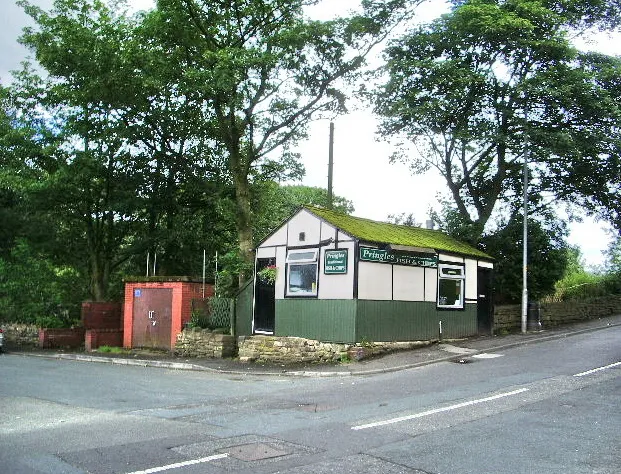
And do not, under any circumstances, buy a £9 bratwurst from a pop-up stall when the chip van is right there. The chip van is the backbone of the British high street. Respect it.
The mild chaos is the whole point
Yes, the stage is slightly too small. Yes, the lights will flicker once. Yes, the countdown will be out of sync because the local radio host is watching the crowd and not the clock. That is not a failure. That is the event.
A Christmas market can give you a nice evening. A switch-on gives you a memory. You will remember the year the Santa looked like he had been recruited from the pub and the year the microphone cut out during the choir's big finish. You will remember the mince pie that was slightly too hot and the mulled wine that was definitely too strong. You will remember standing in the cold with people you do not know, all waiting for the same small thing: a high street that looks a bit brighter for a few weeks.
In 2026, that is still worth the walk into town. Take cash. Wear layers. Buy a mince pie from the least professional-looking stall. And when the lights come on, do not film it. Just watch.