A Fiver, a Tin and a Box of Eggs: Britain's Most Trusting Little Shops
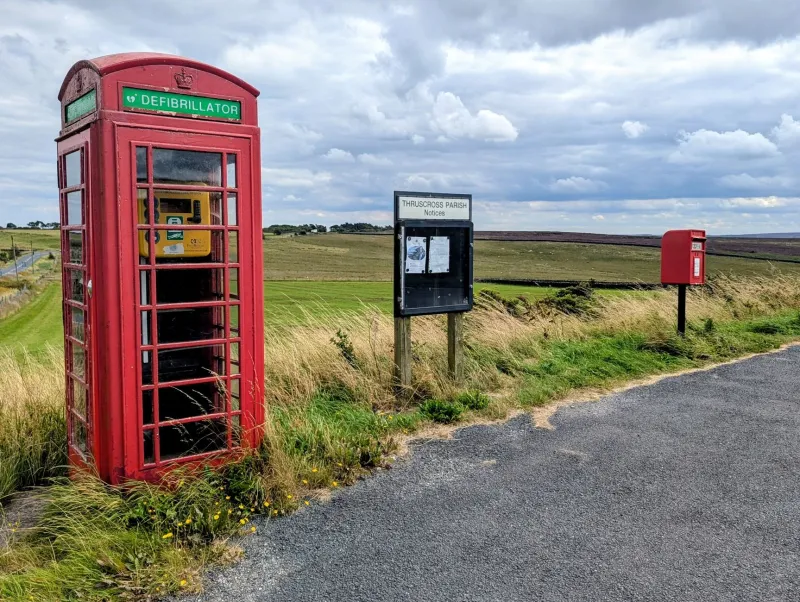
The board said EGGS, £2.50, and underneath, in smaller and faintly apologetic letters: MONEY IN THE TIN PLEASE, NO CHANGE. Behind the hedge, a hen was making the noise hens make when they've just done their bit for the economy. There was nobody to pay. There was nobody at all, in fact, except me, a five-pound note and a white plastic tub with a slot hacked into the lid.
I stood there for a moment, as you do, feeling oddly watched by nobody. Then I posted the fiver, took a half dozen, and drove off with the distinct sense of having got away with something — which is precisely the feeling an honesty box trades on.
The tin, the notebook and the arithmetic of trust
These little unstaffed shops are everywhere once you start looking. A trestle at the end of a farm track. A cool box chained to a gatepost. A former Quality Street tin, £3.50 written on the side in marker, sitting on a wall that's been there since long before any of us.
What makes them work isn't sentiment, it's maths. A stall might take thirty quid on a good Saturday. Paying someone to sit behind it would wipe that out twice over, and a card reader would cost more than the eggs. So the seller does the only sensible thing: they put the produce out, put the tin beside it, and go back to whatever they were doing.
The surprising bit is how rarely it goes wrong. You'll find the occasional notebook with an IOU in biro — owed 50p, back Sunday — which is either the most touching thing in British retail or a small act of optimism that deserves a plaque. Some tins come with a laminated note explaining that the camera is working, which is funny in a way that's hard to put your finger on.
Three tables worth a detour
I'm not going to give you postcodes, partly because half of them are pinned to gates with bailer twine and partly because finding the things is the point. But these are the kinds that repay a slow drive down a lane.
The egg stand off a lane outside Hexham. A fridge humming under a lean-to, a shelf of half dozens, and a note about the fox. The eggs are dark-yolked and ungraded and come in whatever box the last customer didn't need. A fiver gets you a dozen and a bit of change back, which you then feel obliged to leave anyway.
The jam table at the end of a farm track near Wymondham. Gingham cloth, a trestle, and jars labelled in marker: damson, 2026, the last of the rhubarb, and one simply marked experiment. Three pounds fifty a jar, and a tin that has clearly been a biscuit tin in a previous life.
The flower cart on the edge of a Peak District village. Buckets of whatever's in season, a pound fifty a bunch, and an old coffee tin with a slot cut in the lid. You take your bunch, you post your coins, you drive home with the car smelling of sweet williams and nobody having said a word to anyone.
What a fiver actually buys
Not just produce, though the produce is usually better than the supermarket's. What you're buying into is a small test of character, a bit of local self-image, and the mildly bracing experience of being trusted by a stranger who isn't there.
Compare the economics of the alternative day out. Fourteen pounds to park. Nine-fifty to get in. Six quid for a coffee you queue twenty minutes for. Somewhere in the gift shop, a fridge magnet. You come home with a receipt and a vague sense of having been processed.
The egg stand gives you: a lane, a hedge, a hen, a fiver, and a boiled egg the next morning that tastes like it came from somewhere real. It's a better afternoon than most paid attractions manage, and it costs less than the parking.
How to behave at an unattended shop
There's an etiquette to this, and it isn't complicated.
- Bring coins. A tenner for a £2.50 box of eggs is fine; a £20 note at eight in the morning is a burden, not a purchase.
- Take what you need. Don't clear the shelf because you got there first.
- Don't rummage in the tin. It's a cash box, not a lucky dip.
- Close the gate. Every single time. The note about the fox exists for a reason.
- Leave the box tidy. Slide the lid back, put the pen back in the notebook, don't leave your coppers on the wall.
- If you've no change, leave an IOU and actually come back. The whole system runs on the second half of that sentence.
- Remember it's not a charity box. You're a customer, not a benefactor. Pay for what you take and don't make a performance of it.
One more: don't photograph the house. You can photograph the eggs. The eggs didn't choose to live there.
Why the small trust beats the big day out
There's a theory that these stands survive because rural Britain is full of nice people. I don't buy it entirely. They survive because the sums work, the losses are small, and the alternative is worse. Trust, here, is not a moral position so much as a sensible one — which somehow makes it more moving rather than less.
So put a fiver in the tin this weekend. Take the long way home. Buy the jam labelled experiment. Say thank you to nobody in particular, because nobody in particular is exactly who's listening. The best small shops in the country have no staff, no queue and no gift shop, and they'll be there next week whether you turn up or not. Which is, when you think about it, the whole appeal.