Two O'Clock, Screen Three, Nobody Else: In Praise of the Midweek Matinee
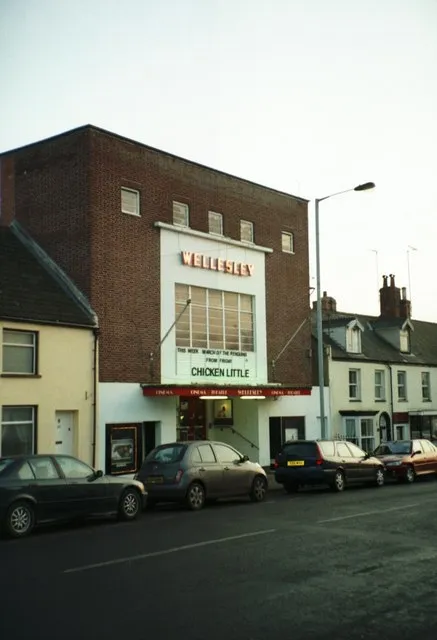
Photo: Alan Cooper, CC BY-SA 2.0, via Wikimedia Commons
I have a rule I inflict on anyone who'll listen: never see a film you actually care about on a Saturday night. Saturday night at the multiplex is an endurance event. Nine pounds for parking, fourteen for the ticket, twenty for two drinks and a bag of something that used to be corn, and a row of teenagers behind you narrating the plot back to each other at full volume. You leave feeling like you've been to a very expensive airport.
Now try Tuesday. Two o'clock. Rain coming down sideways, and a screen with eight people in it.
The Ticket Price Is Only Half the Story
I don't want to lead with money, because it's the boring argument, but let's get it out of the way. A midweek afternoon show at a proper independent will usually set you back somewhere between four and eight quid. Some community cinemas — the ones run out of a hall, a church, a working men's club — are even cheaper, and there's often a tea urn involved. Compare that to a peak-time city-centre chain, where you're paying more than a decent lunch for the privilege of watching adverts for twenty-five minutes with your knees round your ears.
But the money isn't the reason you do it. The money is what makes it repeatable.
What Actually Happens in an Afternoon Screening
Here is my favourite thing about the matinee: the audience behaves differently. Nobody is performing the act of Going To The Cinema. There's no date to impress, no group chat to keep up with, nobody making sure everyone knows they've got the big reclining seats.
Instead you get the matinee crowd, and they are excellent company. A couple who've clearly been coming every Tuesday since the place reopened. Two students who have worked out that the retro strand is the best value film education in town. A retired teacher with a notebook, which I find both intimidating and deeply admirable. A solo bloke in the back row who is going to laugh at exactly the right moments and nowhere else.
They are quiet. They are polite. They understand that the screen belongs to everyone.
And because the room is thin, the film gets room to work. Comedy lands better when the silence around it is real. Dialogue you'd have missed under a chorus of rustling nachos comes through clean. I saw a long, slow, quiet drama on a wet Wednesday last winter with maybe eleven people in, and it was the most absorbed I've been in a cinema in years. Same film on a Friday night would have been a fight.
How to Pick Your Venue
A few honest notes, because not every local cinema is automatically better than every multiplex. Some are badly run, some have terrible sound, and a few seem to think "independent" means "allowed to be uncomfortable".
Look for a venue that publishes its weekly schedule where you can actually read it — a printed programme is a good sign, a website that hasn't been touched since March is not. Ask about the sound if the room is old; a good independent will have sorted its audio and will happily tell you which screen is weakest. Community-run screenings often put on a decent bar or a cake table, which is worth knowing if you're bringing someone who needs convincing.
Try one show on your own before you drag a group along. That way, if the seats are grim, the embarrassment stays private.
The Small Rituals Worth Protecting
About the trailers. A short reel of trailers before an afternoon film is one of life's small pleasures, and I will fight anyone who says otherwise. It's the only place I ever find out what's actually coming out. My local does three, played at a civilised volume, and then the lights come up for the interval on longer films — yes, some of them still do intervals, and yes, it's fantastic.
There's also the walk in. On a Saturday you queue. On a Tuesday you stroll in at 1:58, buy a coffee in a real cup, sit wherever you like, and nobody says a word to you. That two-minute stretch, from the damp street into a warm dark room, is worth most of the ticket price on its own.
What You Give Up
Be straight with yourself about the trade-off. The big screen, the recliner, the immersive sound system — that's the multiplex's one genuine advantage, and if the film is a loud spectacle built for it, go and see it there. Just go on a Tuesday there too.
You'll also miss most of the evening showings, which matters if you've got a job that doesn't allow for a loose afternoon. In that case: book the last show midweek, not the Saturday one. Half the battle is simply avoiding the crush.
And if you can, go alone once. Buy the cheapest seat in the house, sit somewhere in the middle, and let a film happen to you with almost nobody else in the room. It's a very specific sort of peace, and you can't get it at home with your phone on the arm of the sofa.
Rain, Tuesday, ten past two. Screen three. Go on.