The Kettle Whisperers: One Saturday Among the Church Hall Fixers
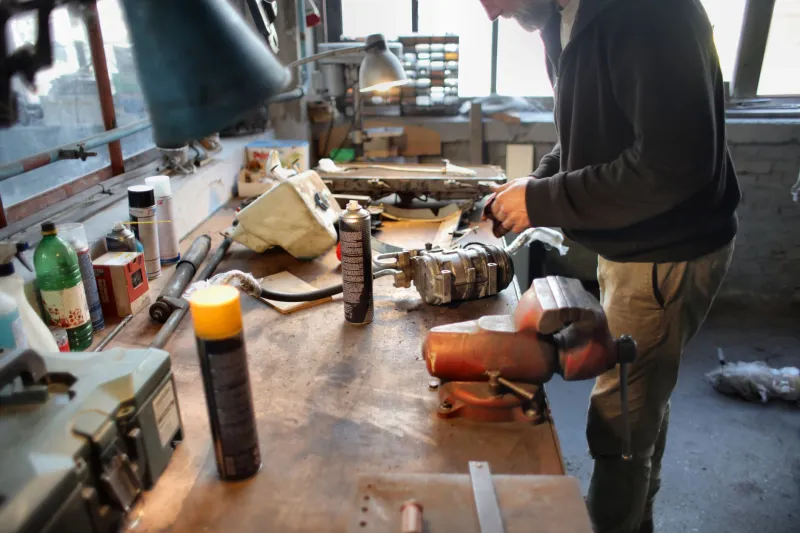
The first thing you notice is the smell: hot tea, warm dust and the faint, electrical sigh of a dozen things being taken apart. The second thing is the queue. By twenty to ten on a Saturday morning, the church hall already has a bloke holding a lamp like it is a rescued animal, a woman with a carrier bag of kettle parts and a teenager cradling a radio that has not made a sound since 2019.
This is not a protest. Nobody is shouting about landfill or carbon footprints. It is a repair café, and it is the most quietly useful room in town.
First, the triage table
Before anyone gets near a screwdriver, you meet the clipboard. A volunteer asks what is wrong, writes a tag and gives your item a quick look. Be honest here. If the toaster tripped the whole kitchen, say so. If the lamp only flickers when the cat walks past, say that too. The more you can tell them, the less time they waste guessing.
Bring the whole thing, not just the bit that broke. Bring the plug, the cable, the lid, the little tray that catches the crumbs. If you have the manual or a spare fuse, bring those as well. Ring or check the group's page beforehand about the big stuff, because nobody wants to lug a microwave across town only to be told it is not the sort of thing they can safely open.
And yes, it is free. There is usually a jar for donations and a table selling cake for about the price of a decent coffee. Put something in. The tea has to come from somewhere.
What actually gets fixed
On this particular morning, the scoreboard looks roughly like this: three kettles, two lamps, a sewing machine, a toy tractor, a desk fan and one very apologetic toaster. The faults are rarely glamorous. A fuse has gone. A wire has worked loose. A switch has given up. A capacitor has leaked its guts onto a circuit board. The volunteers peer, prod, mutter and occasionally say the magic words: it is only the fuse.
Not everything survives. Some things are glued shut so tightly that opening them feels like a crime. Some parts are obsolete or cost more than a new item. Some appliances are simply not safe to mend in a church hall with a queue watching. The good repair cafés are honest about this. They will not bodge a mains lead to get a cheer.
The queue is half the point
Here is the thing nobody mentions in the sustainability leaflets: waiting is part of the pleasure. You sit on a plastic chair with your broken object on your lap and you talk. The woman next to me had brought a lamp that belonged to her grandmother. The man opposite had a radio from a garage clear-out and no idea whether it worked. Someone else had the same make of kettle as me and a strong opinion about its lid.
You swap stories about throwaway Britain, about the tip charging by the bootload, about the shop that wanted forty quid just to look at a kettle. Nobody is lecturing. It is just neighbourly advice with a screwdriver in one hand and a mug in the other.
The people with the tools
Most of the volunteers are retired: an electrician, an engineer, a man who used to fix office equipment and now fixes everything else. There is usually a younger person learning the ropes, which is its own quiet good news. They test what they mend, they label what they cannot, and they explain what went wrong in plain English. Ask them to show you the fault. It is the best free lesson in the room.
They are not a free shop and they are not a magic wand. They are a group of people who would rather spend Saturday morning making a kettle boil again than watching another one go in the bin.
How to do it properly
Book a slot if the café takes bookings, and arrive early if it does not. Label your parts with masking tape. Stay with your item so you can answer questions. Be patient. Say thank you. Take the advice about the thing you decided not to mend. And if you can, bring a neighbour who has been putting off a small fix for months.
The satisfaction is oddly specific. You do not leave with a new kettle. You leave with your old kettle, slightly scratched, now working. You leave with a bit of knowledge and a bit of faith in the town. In 2026, when every advert wants to sell you an upgrade, that feels more radical than any slogan.