Seat at the Back, Pint Afterwards: Doing Panto Properly in 2026
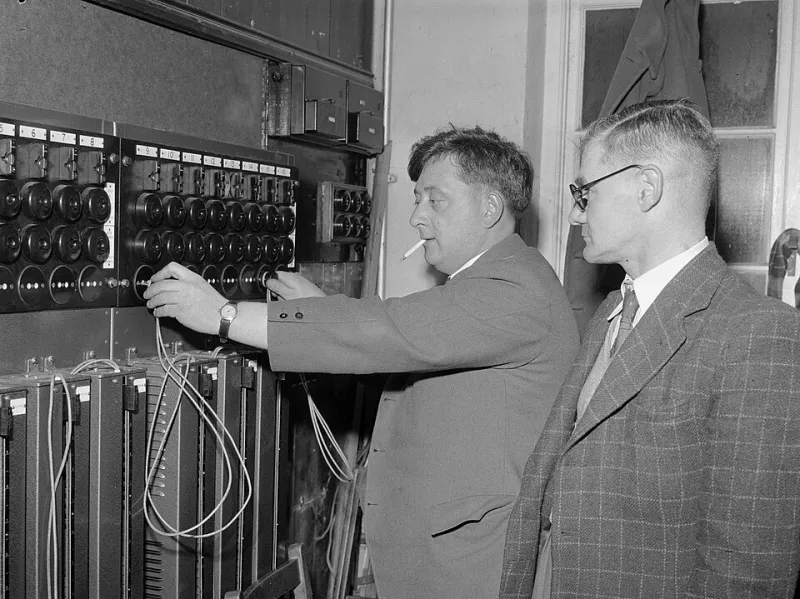
Photo: Geoff Charles, CC BY-SA 4.0, via Wikimedia Commons
Every December I watch people in their thirties and forties quietly decide that pantomime is Not For Them, and every December I think: you've been sold the wrong panto.
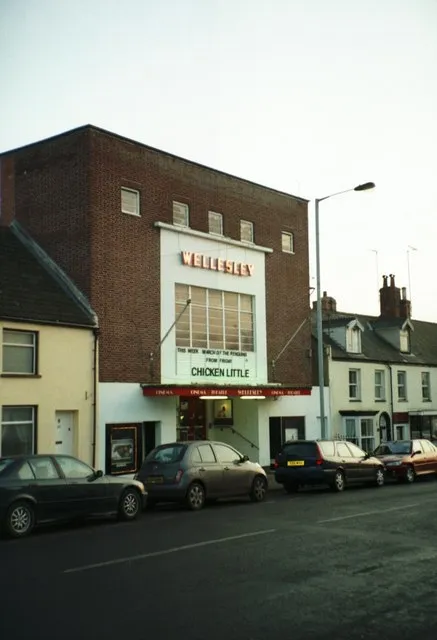
Because there are two entirely different things called panto. One is a touring production in a thousand-seat venue with a television presenter in the lead, a ticket price that would cover your gas for a fortnight, and merchandise. The other is a village hall, a hundred and forty seats, a dame played by the bloke who runs the hardware shop, and a raffle at the interval.
One of those is a proper December ritual. The other is a queue.
The Room Is the Whole Point
Scale matters more than budget in this game. A good panto works because of the closeness — the dame can see your face, you can see the sweat on the principal boy's forehead, and the moment when a child in row three is invited up on stage has a genuine unpredictability to it that no arena can reproduce. In a small room, the audience is a character in the show. In a big one, the audience is a revenue line.
So look for the halls. The community theatre. The rugby club that does one every year and has done since 1978. The church hall with a stage that's slightly too small and a lighting rig that's basically four lamps and a lot of hope. Amateur companies do this out of love, and it shows in a way that professional polish never quite manages.
Reading the Poster Like a Local
There's a knack to this, and it's mostly about the small print.
If the poster leads with a name you half-recognise from a soap opera and no other information, that's a touring commercial show and it'll be priced accordingly. If it leads with the name of the society, the dates, and the words "written and directed by our own", you're in the right territory. Matinee and evening listings with a Wednesday or Thursday cheaper night are a good sign that a venue actually wants locals in rather than visitors.
Also worth checking: whether there's a proper interval (there should be), whether they've got a bar (there often is, and it's usually cash only), and whether the run is long enough to be flexible. Small companies often only do four or five performances, so book early — by the second week of December the Saturday shows are gone.
Audience Participation Without Being That Person
Yes, you shout. That's the deal. "He's behind you" is not a lapse in manners, it's the script.
What you should not do is try to win the show. There is always one bloke who thinks the dame needs a heckling partner, and he is always in front of me. Read the room. Join in when the whole room joins in, keep your own material to yourself, and if the cast ask for a volunteer, do not volunteer — you'll be up there for eight minutes and you'll be doing a dance.
Oh, and dress for it. These buildings are either Baltic or tropical, occasionally both within the same act. Layers.
The Pub Debrief Is Part of the Ticket
Here's the bit I'd defend hardest. A good December night out has three parts: the walk over, the show, and the assessing of the show in a warm pub within ninety seconds of the curtain. The third part is not optional.
You want somewhere within a five-minute walk, with a decent bitter on and enough space to sit. You'll discuss which child was the best dancer, whether the dame's costume changes were better than last year's, who fluffed a line so badly it became the best moment of the night, and whether the giant's head was wobbling. It is the most reliably good conversation of the year, and it costs about the price of two drinks.
The Practical Bits
Go as adults and it's a genuinely cheap night: most community venues are between eight and eighteen pounds a head, and a Thursday will get you in for less than a mid-range pizza. You won't be the only ones without children — the midweek performances are full of groups of friends, works dos, and couples who've quietly decided this is their tradition.
Book on a midweek night if you can. The energy is looser, the cast are still fresh, and the audience is mostly locals who know exactly when to shout and when to shut up. Saturday nights are the family crunch and, frankly, a harder room.
And if your local company does a second production in the year — a summer musical, a November play — go to that too. These places survive on people becoming regulars rather than punters. That's the real argument for doing panto without the kids: not that it's nostalgic, but that it's a proper night out that happens to cost buttons and only exists because the room keeps getting filled.
Take four friends. Sit near the back. Shout at the right moments. Go to the pub. That's December sorted.