Staples, Tabs and a Missing Cat: Reading the Pub Noticeboard Properly
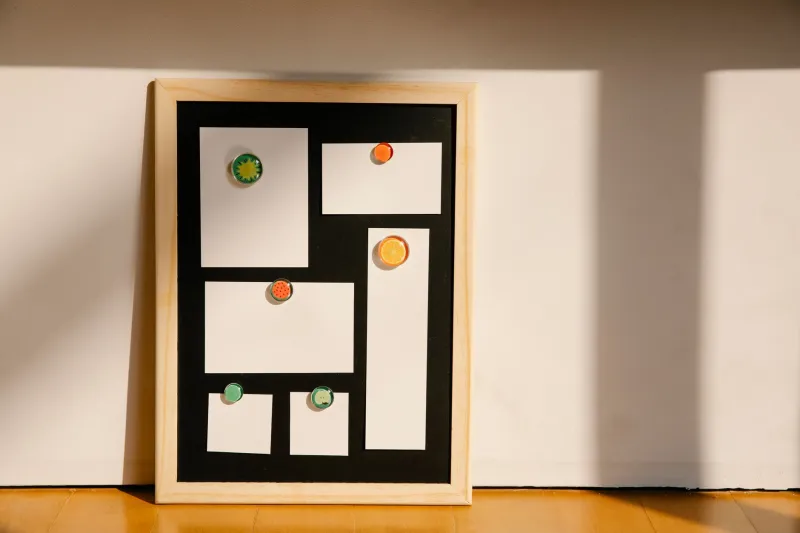
Walk into almost any proper pub in Britain and you'll find it: a cork board near the loos, or by the door, or in that back room nobody quite claims. It's pinned, scribbled, slightly damp, and quietly holding together the social life of an entire town. In 2026, when every venue wants you to follow them, tag them and book through an app, the pub noticeboard is still the most hyperlocal feed you'll ever scroll.
I don't mean that romantically. I mean it literally. The board knows things before the internet does. It knows the quiz is back on Thursday, that the darts team needs a new player, that someone's cat has gone missing near the rec, and that a man called Dave will teach you guitar for twelve quid an hour, though he cannot spell 'beginner'.
The most local feed you'll ever scroll
Most event feeds are built to show you the same things everyone else is seeing. They're promoted, geo-targeted, polished and, frankly, a bit samey. The pub noticeboard is the opposite. It's edited by whoever remembered to bring a stapler. It's read by people waiting for a pint or killing ten minutes before the band starts. It has no engagement metrics, no sponsored posts and no algorithm deciding that what you really need is a home-improvement advert.
What it has instead is friction, and that's the point. Someone wrote that card out by hand. Someone paid 4p to photocopy it. Someone crossed out the old date and wrote the new one underneath in biro. That's not a flaw. That's a signal.
What the board gets right that your phone doesn't
The board is honest about scale. It doesn't promise a 'curated cultural experience'. It says QUIZ NIGHT, 8PM, £2 A HEAD, WINNER GETS A BOX OF ROSES. It doesn't call the local folk trio a 'collective'. It says LIVE MUSIC SATURDAY, THREE BLOKES, GUITARS. You know exactly what you're getting.
It's also brilliantly mixed up. A charity coffee morning sits next to a lost dog. A salsa class shares a corner with a warning about the car park being resurfaced. That collision is useful. It tells you what a place actually cares about, not what it wants to sell you.
And it's temporary in a way that feels healthy. Things come down. Dates pass. The board moves on. Your phone might still be showing you an event from three weeks ago because the promoter never updated the listing. The cork board has already had that card off and binned it.
A field guide to reading cork
Start at the edges
The centre of the board is where the big, glossy posters go: tribute acts, charity race nights, someone's birthday bash. Fine, but the good stuff is usually round the edge. That's where the small cards end up, the ones put up by people who aren't professional promoters. A hand-written note about a pub choir. A photocopied flyer for a record fair in a church hall. A lonely little ad for a second-hand drum kit. That's your real local culture.
Check the date, then check it again
Pub noticeboards are archaeological sites. A card can sit there for months. Look for the newest layer first: fresh staples, clean paper, a date that hasn't been crossed out. If it says 'every Tuesday', that's a decent sign. If it says 'Saturday 14th' and you're reading it in November, do the maths before you turn up.
Follow the tabs
The little tear-off phone number tabs are the most honest bit of the whole board. If they're all still there, nobody's interested. If half of them are gone, something's happening. If the tabs have been replaced by a scrawled mobile number in marker pen, you're probably dealing with someone who's been burned before and knows the tabs vanish. Ring with reasonable expectations.
Trust the ugly ones
A badly typed A4 sheet with wonky margins and three different fonts is often a better bet than a laminated poster with a logo on it. The ugly ones are usually made by the person who'll actually be there. The glossy ones are made by someone who wants your ticket money and might not be in the room when the night goes tits up.
Ask the bar staff
This is the cheat code. Point at a card and say, 'Is this any good?' You'll get a look, a shrug, or a proper answer. A shrug means leave it. A proper answer means you've found the thing the board was trying to tell you all along.
The small stuff is the point
A pub noticeboard is not a listings magazine. It's a conversation between people who live in the same few streets. The missing cat appeal matters. The charity quiz matters. The questionable guitar lessons matter, if only because Dave is trying. In a year when so much of our cultural life has been smoothed into feeds and recommendations, there's something genuinely reassuring about a bit of cork, a box of staples and a biro.
So next time you're in a pub and you've got five minutes before your pint settles, go and read the board. Not the big poster. The little card in the corner with the phone tabs. It might be a dud. It might be the best thing you do on a Thursday all winter. Either way, it's more honest than most of what's on your phone.